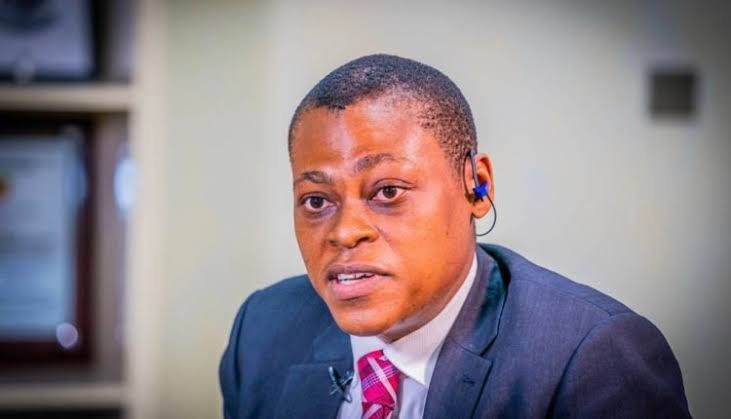
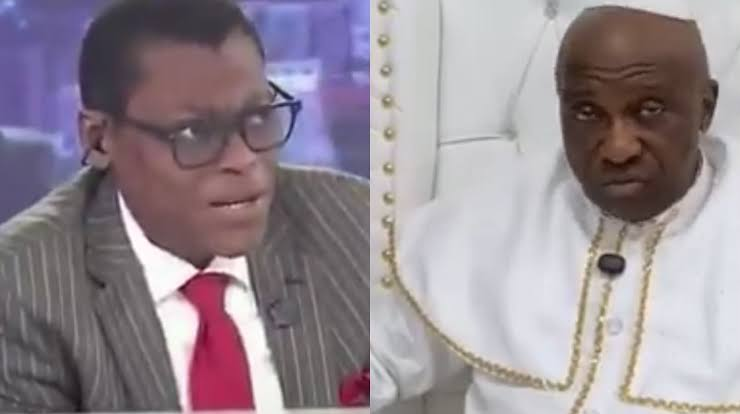
Arise Television host Rufai Oseni has criticised Primate Elijah Ayodele for advising President Bola Ahmed Tinubu to prevent the release of U.S. Federal Bureau of Investigation (FBI) records linked to longstanding allegations involving the president.
Oseni made the remarks during Arise TV’s Morning Show on Tuesday, September 1, 2026, questioning whether a religious leader should encourage a public official to keep records concerning his past from the public.
Oseni Challenges Ayodele
Reacting to Ayodele’s recent comments, Oseni asked: “Which kind of shepherd tells people to hide their past when it concerns a nation? … Is that what a shepherd is?”
He also questioned whether Ayodele’s previous statements should influence Nigerians’ perception of him as a spiritual leader.
Ayodele had earlier advised Tinubu to do everything possible to stop the release of the FBI documents, warning that disclosure “could cost him a lot” and potentially affect his chances of securing a second term in 2027.
Calls for Greater Transparency
Oseni argued that Tinubu, as president, has a responsibility to the Nigerian public and should prioritise transparency over personal privacy where issues of significant national interest are involved.
He suggested that Tinubu could waive applicable privacy protections to allow the disputed records to be fully disclosed, arguing that doing so could help address longstanding questions surrounding allegations about the president’s past in the United States.
Oseni also acknowledged that the FBI may not release every document without redactions, particularly where disclosure could affect investigations, sources or individuals connected to the case.
What the FBI Records Concern
The debate is linked to an ongoing Freedom of Information Act lawsuit in the U.S. District Court for the District of Columbia.
Transparency activist Aaron Greenspan has sought records from the FBI and Drug Enforcement Administration (DEA) concerning a Chicago investigation from the early 1990s involving suspected heroin trafficking. Some records have already been released with redactions.
Tinubu has intervened in the case and asked the court to uphold the withholding of some records on privacy grounds. The FBI has also cited FOIA exemptions covering privacy, law-enforcement methods and risks to individuals.
Tinubu Denies Wrongdoing
The allegations have circulated for decades and relate partly to a 1993 civil forfeiture case involving about $460,000 associated with an account linked to Tinubu. The forfeiture was a civil matter, and Tinubu was not criminally charged or convicted over the allegations.
Tinubu has consistently denied wrongdoing, while his legal representatives have argued that investigative records should not automatically be interpreted as evidence of criminal conduct.
The dispute over the FBI documents continues as Nigeria approaches the 2027 elections, with Oseni and other public voices demanding greater transparency while Tinubu’s legal team maintains that applicable privacy and law-enforcement protections should be respected.