The Presidency has defended Nigeria’s growing debt profile, insisting that the country still has the capacity to borrow more despite mounting public concerns over rising local and foreign loans.
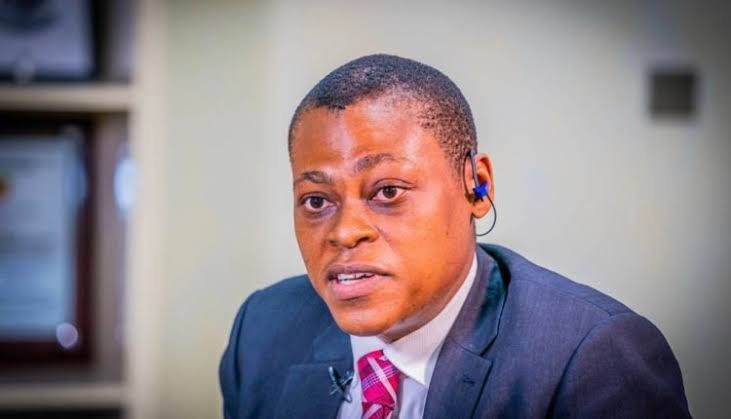
Presidential spokesman Bayo Onanuga made the remarks in a post on X while reacting to criticism surrounding the Tinubu administration’s borrowing strategy.
Onanuga Dismisses Loan Concerns
According to Onanuga, many Nigerians criticising the country’s debt situation do not fully understand economics and public finance.
“Nigeria has not over borrowed compared to countries like Egypt, South Africa and West African country of Senegal,” he wrote.
“Nigeria is credit worthy and can still take more loans to finance infrastructure. The unwarranted alarm against loans is symptomatic of economic and financial ignorance.”
Debt-To-GDP Comparison
The presidential aide referenced a post by another X user, Akinwumi, comparing Nigeria’s debt-to-GDP ratio with those of Egypt and South Africa.
According to the comparison, Egypt’s debt stands at over $400 billion with a GDP of about $390 billion, placing its debt-to-GDP ratio above 100 percent.
South Africa was also said to have debt estimated at around $580 billion with a GDP of roughly $420 billion, resulting in a debt-to-GDP ratio of about 135 percent.
Nigeria’s total public debt, however, was estimated at about $110 billion with a GDP of around $340 billion, translating to approximately 35 percent debt-to-GDP ratio.
“Yet some people keep shouting that Nigeria is the ‘loan capital of the world,’” the post stated.
Tinubu Government Continues Borrowing
The comments come amid increasing public concern over the Federal Government’s borrowing pattern under President Bola Tinubu.
Since assuming office in May 2023, the administration has secured and proposed several local and foreign loans aimed at funding infrastructure projects, stabilising the economy and addressing budget deficits.
The government recently sought fresh multibillion-dollar loans from international institutions including the World Bank and the African Development Bank.
Domestic borrowing through treasury bills and bonds has also increased significantly.
Critics Raise Economic Concerns
While the Federal Government insists the loans are necessary for sectors such as transportation, agriculture, power and social intervention programmes, critics have continued to warn about rising debt servicing costs.
Concerns have also been raised over inflation, worsening economic hardship and the continued weakening of the naira.