Nigeria’s debt to the World Bank has increased to $19.89 billion as of December 31, 2025, marking a significant rise within one year, according to data released by the Debt Management Office (DMO).
Debt rises by over $2bn in one year
The figure represents an 11.7 per cent increase from the $17.81 billion recorded in 2024, reflecting an additional $2.08 billion borrowed from the global lender.
The World Bank debt includes loans from the International Development Association (IDA) and the International Bank for Reconstruction and Development (IBRD).
Breakdown shows increase across loan categories
Data from the DMO shows that Nigeria’s debt to the IDA rose from $16.56 billion in 2024 to $18.51 billion in 2025.
Similarly, exposure to the IBRD increased from $1.24 billion to $1.38 billion within the same period.
The combined loans accounted for 38.36 per cent of Nigeria’s total external debt stock, which stood at $51.86 billion by the end of 2025.
Total external debt continues upward trend
Although slightly lower than the 38.90 per cent share recorded in 2024, the World Bank remains Nigeria’s largest external creditor.
The country’s total external debt also rose from $45.78 billion in 2024 to $51.86 billion in 2025.
Tinubu defends borrowing policy
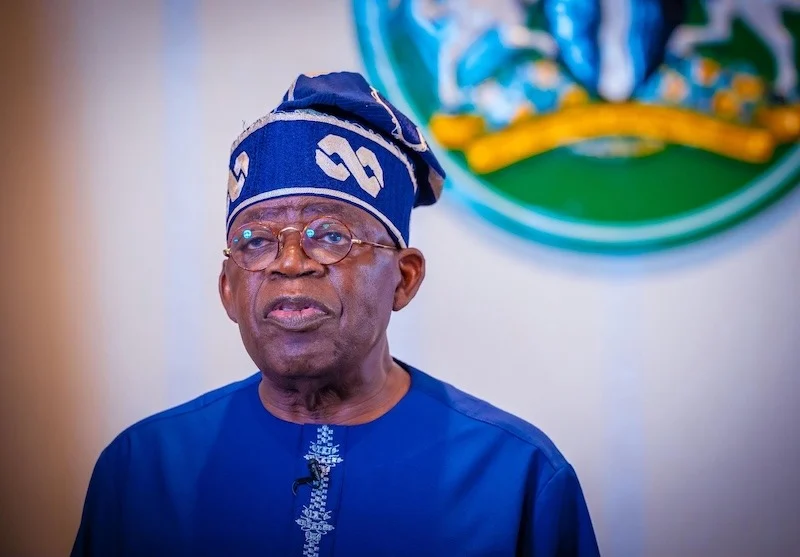
President Bola Tinubu has defended his administration’s borrowing strategy amid growing criticism over Nigeria’s rising debt profile.
In a viral video, the president said, “If we have to borrow money, we will borrow. Borrowing money is not leprosy. We just have to work hard to give to people.”
Loans linked to reforms and infrastructure
The administration has approved multiple borrowing plans since 2023, including a $2.25 billion World Bank loan approved in June 2024 to support economic reforms and social interventions.
In July 2025, the Senate also approved an external borrowing plan exceeding $21 billion, alongside other financial instruments in euros, yen, and grants.
More recently, the National Assembly approved a $516.3 million syndicated loan for the Sokoto–Badagry Superhighway project.
Concerns grow over rising debt burden
Nigeria’s total public debt has continued to rise sharply, reaching about N144.67 trillion by the end of 2024 from N97 trillion in 2023.
Recent estimates suggest the figure may have climbed to around N159 trillion in 2026.
Economists and opposition figures have raised concerns over the growing cost of debt servicing, warning that it could limit funding for critical sectors such as healthcare, education, and infrastructure.