Iran’s elite military force, the Islamic Revolutionary Guard Corps, has announced renewed control over the Strait of Hormuz, escalating tensions with the United States amid an ongoing dispute over port blockades.
The development comes despite earlier signals of a partial reopening, creating fresh uncertainty around one of the world’s most critical oil shipping routes.
What happened
Iranian state media reported on Saturday that control of the Strait of Hormuz had “returned to its previous state,” with the Revolutionary Guard insisting it would determine which vessels are allowed to pass.
This follows conflicting messages from Iranian officials, after the country’s foreign minister had earlier indicated that the strait would remain open to commercial shipping during a ceasefire window.
US position remains firm
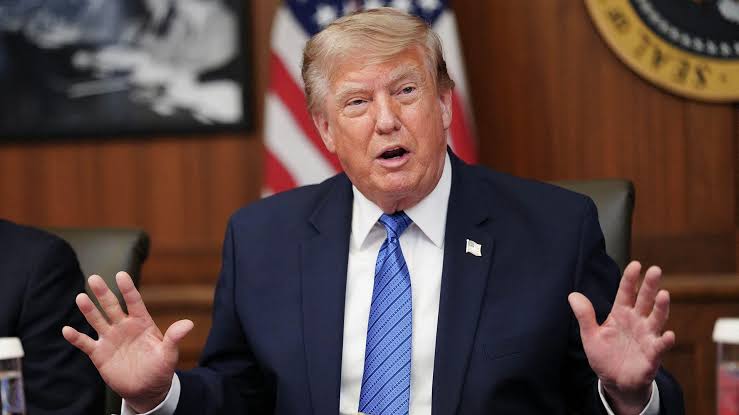
US President Donald Trump said the naval blockade on Iranian ports would continue until negotiations between both countries are fully concluded.
He maintained that the strait was “open and ready for business,” but made it clear that pressure on Iran would not ease until a final agreement is reached.
Conflicting signals from Iran
The situation has exposed apparent divisions within Iran’s leadership, with the government signalling openness while the military adopts a more assertive stance.
The Revolutionary Guard’s position suggests tighter control over maritime access, raising concerns about potential disruptions to global oil supply.
Talks and regional tensions
Trump downplayed differences between both countries, expressing optimism about a possible deal, including cooperation on Iran’s enriched uranium programme, a claim Tehran has rejected.
He also indicated that fresh talks could take place soon, with reports suggesting a possible meeting in Pakistan, although Iranian officials have cast doubt on the likelihood of progress.
Meanwhile, developments in Lebanon appear to have stabilised, with Trump stating that Israel would halt further strikes, a condition previously linked to Iran’s willingness to re-engage in negotiations.