1. Tinubu Orders Immediate Security Reinforcement at NIPSS Kuru After Deadly Attack
President Bola Ahmed Tinubu has directed the immediate fortification of security infrastructure at the National Institute for Policy and Strategic Studies (NIPSS), Kuru, following a deadly attack by armed bandits on the institution’s perimeter. The President, represented by Vice President Kashim Shettima during an address to participants of Senior Executive Course 48, ordered the institute’s management to work closely with the Armed Forces, the Nigeria Police Force, and the Department of State Services to address security vulnerabilities. The attack claimed the lives of two soldiers and one police officer who successfully prevented the assailants from breaching the main campus.
Vice President Shettima also issued a 72-hour deadline for the submission of a comprehensive security enhancement plan covering surveillance technology, access control systems, and rapid-response mechanisms. He expressed condolences to the families of the fallen officers and assured that the Federal Government would take responsibility for the education and welfare of their children. The Presidency said advanced CCTV infrastructure and permanent armed reinforcements would be deployed to secure the strategic institution against future threats.
2. Nigeria Exceeds OPEC Production Quota for First Time in 2026
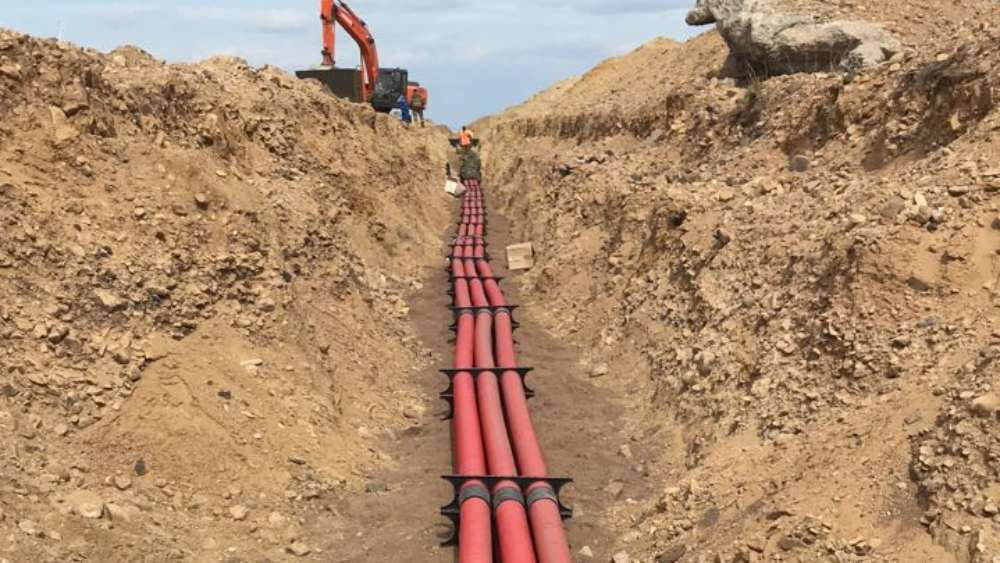
Nigeria has surpassed its crude oil production quota set by the Organization of the Petroleum Exporting Countries (OPEC) for the first time this year, following improved operations along the Trans Niger Pipeline. Data released by the Nigerian Upstream Petroleum Regulatory Commission showed that crude oil production averaged 1.53 million barrels per day in May and June, exceeding the country’s assigned quota of 1.5 million barrels per day.
Industry regulators attributed the achievement to improved pipeline security and operational stability delivered through indigenous surveillance and asset protection initiatives. During a stakeholder engagement in Port Harcourt, community leaders and oil sector operators highlighted the role of local intelligence gathering and military interventions in protecting oil infrastructure. Analysts believe sustained production growth could strengthen government revenues and improve foreign exchange earnings, provided security gains are maintained.
3. Chevron Launches Aviation Cadet Programme for Nigerian Pilots
Chevron Nigeria Limited, in partnership with the Nigerian Content Development and Monitoring Board (NCDMB) and Bristow Helicopters, has launched a specialised helicopter pilot training programme aimed at developing local aviation talent for the oil and gas industry. The initiative will sponsor ten Nigerian cadet pilots and two trainees from Chevron’s host communities through a structured training process covering both theoretical and practical flight operations.
The programme begins with foundational training in Nigeria before participants proceed to advanced simulation and flight exercises in Johannesburg, South Africa. Chevron officials said the project aligns with Nigeria’s local content policy by reducing reliance on foreign aviation personnel in offshore operations. Regulators also believe the initiative will create a pool of highly skilled Nigerian pilots capable of serving the wider Gulf of Guinea aviation market.
4. FG Partners APM Terminals on $10 Million Apapa Port Upgrade
The Federal Government has entered into a strategic partnership with APM Terminals to implement a $10 million infrastructure expansion project at the Apapa Port complex in Lagos. The initiative will focus on upgrading cargo handling equipment, improving logistics efficiency, and introducing digital tracking systems designed to reduce delays and increase operational capacity.
According to the Ministry of Marine and Blue Economy, the project forms part of a broader effort to transform Nigerian ports into competitive regional trade hubs. Stakeholders in the manufacturing and export sectors have long complained about congestion and infrastructure deficiencies at Apapa. Maritime analysts say the investment could improve cargo turnaround times, boost customs revenue collection, and lower operating costs for businesses that rely on the country’s busiest seaport.
5. University of Ilorin Expands Fintech Research Beyond OPay
The University of Ilorin has broadened the scope of an ongoing research project examining public trust in artificial intelligence-powered customer service systems within Nigeria’s fintech sector. Initially focused on OPay, the study will now include PalmPay, Moniepoint, and Kuda Bank to provide a wider assessment of how consumers interact with digital financial platforms.
Researchers said the decision was taken to ensure a more balanced and industry-wide analysis of AI adoption in financial services. Preliminary findings suggest that while automated support systems improve response times and dispute resolution, concerns remain about data privacy and transaction security. The final report is expected to provide useful insights for regulators, fintech operators, and policymakers working on future consumer protection frameworks.
6. NBS Warns Food Security Challenges Persist Despite Economic Reforms
The National Bureau of Statistics has reported that food security pressures remain significant despite signs of moderation in headline inflation. According to its latest socio-economic assessment, transportation costs, insecurity in farming communities, and rising global fertiliser prices continue to push up the cost of food across the country.
The report also identified logistics bottlenecks and interstate haulage charges as major factors affecting the movement of agricultural produce. Economic experts argue that recent fiscal reforms and stronger foreign reserves have yet to translate into broad-based relief for consumers. Analysts believe sustained investments in rural infrastructure and the successful implementation of climate resilience programmes will be crucial to stabilising food prices in the coming months.
7. Troops Repel Insurgent Ambush on Maiduguri-Damaturu Highway
Troops of Operation Hadin Kai have successfully repelled an insurgent attack along the Maiduguri-Damaturu highway, one of the most important transport corridors in North-East Nigeria. The ambush occurred near Jakana community when suspected Islamic State West Africa Province fighters opened fire on a military convoy conducting routine operations.
Military sources said several insurgents were neutralised during the exchange, while weapons including rocket-propelled grenades and anti-aircraft ammunition were recovered. The highway was temporarily shut to civilian traffic as explosive ordnance teams cleared the area. Although two soldiers sustained injuries, authorities say additional patrols and aerial surveillance have been deployed to secure the route and prevent further attacks.
8. Lagos Deploys Digital Emergency Response System
The Lagos State Government has commenced the deployment of a digital dispatch and geographic information system designed to improve emergency response operations across the state. The technology enables command centres to track emergency vehicles in real time and automatically identify the closest response units to incidents.
Officials said the system is part of Lagos’ wider smart-city strategy aimed at reducing response times in high-density locations such as Apapa, Oshodi, and Ikeja. Early pilot results indicate a 20 per cent reduction in delays, particularly during peak traffic periods. Future phases of the project will incorporate artificial intelligence tools to predict high-risk locations and strategically position emergency assets before incidents occur.
9. ECOWAS Opens Regional Security Summit in Abuja
The Economic Community of West African States (ECOWAS) has opened a high-level security meeting in Abuja focused on combating cross-border crime, maritime piracy, and regional insecurity. The gathering brought together military chiefs, intelligence officials, and border management authorities from across the region to discuss coordinated responses to emerging threats.
Delegates highlighted growing links between maritime oil theft in the Gulf of Guinea and land-based criminal networks operating across the Sahel. Discussions also focused on improving intelligence sharing, strengthening border patrols, and harmonising legal frameworks across member states. ECOWAS said a comprehensive regional action plan would be presented to Heads of State for approval after the meeting.
10. University of Ibadan Confirms Abduction of Female Law Student
The University of Ibadan has confirmed the abduction of a female law student from an off-campus residential area in Ibadan. According to reports, armed men bypassed local security guards before taking the student and fleeing through a nearby forest corridor.
The incident has triggered concern among students and university officials, prompting calls for stronger security measures around off-campus housing locations. The Oyo State Police Command has deployed anti-kidnapping operatives and intelligence teams to track the abductors and secure the student’s release. Authorities say investigations are ongoing while students have been advised to remain vigilant and report suspicious activities to security agencies.