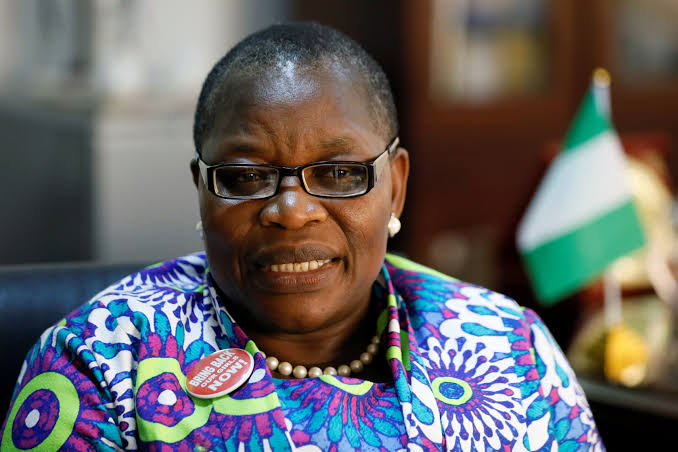
Former Minister of Education Oby Ezekwesili has criticised Nigeria’s political and economic system, arguing that the country often rewards questionable wealth while people engaged in productive activities struggle.
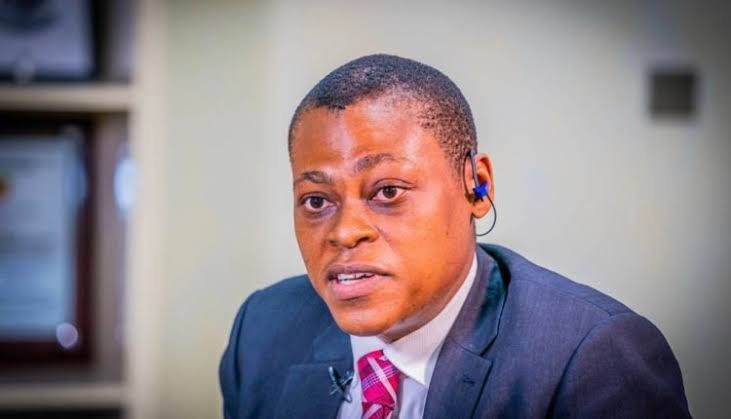
Ezekwesili made the remarks during an interview on News Central’s 60 Minutes with Mr. Kay, where she discussed leadership, governance and Nigeria’s political culture.
Ezekwesili Criticises Leadership System
The former minister said Nigeria’s leadership recruitment process has been shaped by people who have previously controlled political power.
She argued that the system can make poor character an advantage, creating a political culture where bad behaviour is rewarded while good conduct is punished.
“The processes for leadership recruitment have in many ways been designed in the image of those who have held the levers of power,” she said.
Ezekwesili added that when political systems reward bad behaviour, they create incentives for more people to pursue the same path.
“When you have that kind of a distortion where bad behavior is what your political system rewards, there will be a market for bad behavior. And then good behavior is punished,” she said.
‘Trace Their Wealth to Productive Activity’
Ezekwesili also questioned the sources of wealth accumulated by some of Nigeria’s wealthy citizens.
“Look at just bring line up all the people who are wealthy in our country today and try to trace their wealth to any productive activity. None. Maybe a few,” she said.
She argued that government has become a pathway to wealth accumulation for some individuals, even when questions remain about how their fortunes were acquired.
According to her, society has also contributed to the problem by celebrating wealthy individuals without sufficiently questioning the sources of their wealth.
Calls for Better Governance
Ezekwesili said the situation reflects a wider governance problem that extends beyond Nigeria to other African countries.
She urged citizens to confront poor governance rather than remain passive and expect conditions to improve without deliberate action.
“Nothing happens that is not made to happen,” she said, arguing that good governance requires deliberate systems and institutions designed to produce it.
“To get good governance is a design. You have to design for you to then end up with good governance. If you don’t design for good governance, you will have the kind of governance that we have.”