1. Tinubu Reaffirms No-Ransom Policy as Oriire School Rescue Details Emerge
President Bola Ahmed Tinubu has reaffirmed that the Federal Government will not pay ransom or negotiate with kidnappers and terrorists, revealing that pupils and teachers abducted from schools in Oriire Local Government Area of Oyo State were rescued after 56 days through a coordinated security operation. Speaking while receiving the Olubadan of Ibadanland, Oba Rasheed Ladoja, and other traditional rulers at the Presidential Villa in Abuja, the President disclosed that the abductors demanded money and the release of detained gang members, demands the government rejected because security forces had a clear understanding of the forest where the victims were being held.
The Oriire attack, which occurred on May 15, saw armed men invade three schools and abduct dozens of pupils and teachers. One teacher was reportedly killed in captivity before the remaining victims regained their freedom on July 10. Tinubu attributed the successful operation to ongoing security reforms, including the expansion of Army divisions and increased deployment of forest guards. Traditional rulers commended the government’s refusal to pay ransom, while authorities indicated that more prosecutions would follow, noting that some of the suspects are believed to be foreign nationals.
2. Federal Government Targets End to Electricity Subsidies from 2027
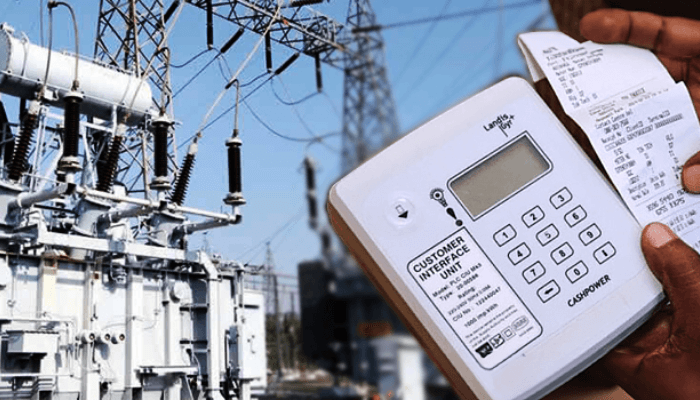
The Federal Government has announced plans to begin phasing out electricity subsidies from 2027 as part of efforts to restore the financial stability of Nigeria’s power sector. Power Minister Joseph Tegbe said the government is working to clear legacy debts estimated at between N2.8 trillion and N3.3 trillion while introducing sustainable reforms to prevent future financial shortfalls. He, however, assured Nigerians that the policy would not result in an immediate increase in electricity tariffs.
The planned reforms come as the electricity sector continues to battle liquidity challenges, unpaid obligations to generation companies and gas suppliers, and low revenue collection by distribution companies. Government officials say the gradual removal of subsidies is intended to make the electricity market commercially viable while improving service delivery. Consumers and industry stakeholders are now awaiting details of measures that will protect vulnerable households as the reforms take effect.
3. Resident Doctors Give FG August 10 Deadline, Threaten Nationwide Strike
The Nigerian Association of Resident Doctors (NARD) has issued the Federal Government an ultimatum ending at 8:00 a.m. on August 10 to meet its outstanding demands or face a nationwide strike. The decision followed the association’s National Executive Council meeting in Gombe, where members expressed dissatisfaction with the slow implementation of previous agreements on salaries, allowances and welfare.
Among the doctors’ demands are the payment of CONMESS salary review arrears, outstanding professional allowances, promotion arrears and improved welfare across federal health institutions. Although the association acknowledged that the 2026 Medical Residency Training Fund had been released to some beneficiaries, it maintained that several key issues remain unresolved. A nationwide strike could disrupt healthcare services across public hospitals if negotiations fail before the deadline.
4. Troops Neutralise Over 102 Terrorists, Rescue Hundreds in July
The Defence Headquarters has announced that Nigerian troops neutralised more than 102 terrorists and other criminal elements during operations conducted across the country in July. Military authorities also confirmed the arrest of 345 suspects and the rescue of between 393 and 397 kidnapped victims, while 57 insurgents and their family members surrendered to security forces.
According to the Defence Headquarters, the operations were carried out across multiple theatres, including the North-East, North-West, North-Central, South-South and South-East. Troops also dismantled illegal refining sites, recovered weapons and ammunition, and eliminated a senior terrorist propaganda figure in Borno State. Military authorities described the results as evidence of sustained pressure on criminal groups, with more operations expected in the coming weeks.
5. Senate Summons NNPCL, CBN, Oil Firms Over NEITI Audit Reports
The Senate Public Accounts Committee has summoned the Nigerian National Petroleum Company Limited (NNPCL), the Central Bank of Nigeria (CBN), major oil companies and more than 60 government agencies over issues raised in the Nigeria Extractive Industries Transparency Initiative (NEITI) audit reports covering 2021 to 2023. The hearings are scheduled to begin on August 3 at the National Assembly in Abuja.
Lawmakers said the exercise is aimed at examining revenue remittances, statutory obligations and compliance across Nigeria’s oil and gas sector. The committee, chaired by Senator Ibrahim Hassan Dankwambo, said the investigation forms part of the National Assembly’s constitutional oversight responsibility and is expected to address long-standing concerns over revenue leakages in the country’s most important economic sector.
6. US Ends Routine Visa Processing in Abuja
The United States has announced that routine visa processing at its Embassy in Abuja will end from August 1, with applicants now required to complete visa applications at the Consulate General in Lagos. The change forms part of a wider restructuring of American consular operations across Africa designed to improve security screening and streamline visa services.
While visa processing will move to Lagos, the embassy in Abuja will continue providing services to American citizens and carrying out diplomatic functions. The decision affects both immigrant and non-immigrant visa applicants and is expected to increase demand at the Lagos consulate as thousands of Nigerians adjust to the new arrangement.
7. INEC to Publish Particulars of Presidential, National Assembly Candidates
The Independent National Electoral Commission (INEC) has announced that it will publish the personal particulars of candidates for the 2027 presidential and National Assembly elections on August 1. The publication will include information such as names, educational qualifications, work experience and other documents submitted by candidates during the nomination process.
INEC said the exercise is a legal requirement under the Electoral Act and is intended to promote transparency by allowing Nigerians and interested stakeholders to examine the credentials of candidates before the elections. The commission added that the particulars of governorship and state assembly candidates will be released at a later date in line with its timetable.
8. Oloyede Hands Over JAMB Leadership to Professor Segun Aina
Professor Ishaq Oloyede has officially handed over as Registrar of the Joint Admissions and Matriculation Board (JAMB) to Professor Segun Aina after serving for a decade. During the ceremony in Abuja, Oloyede highlighted reforms introduced under his leadership, including the expansion of computer-based testing, improvements in admissions processing and increased financial remittances.
Professor Aina pledged to sustain the board’s commitment to integrity and fairness while strengthening efforts against examination malpractice. Education stakeholders expect the new registrar to build on existing reforms and address emerging challenges in Nigeria’s tertiary admissions process.
9. Team Nigeria Maintains Strong Commonwealth Games Performance
Team Nigeria has continued its impressive campaign at the 2026 Commonwealth Games in Glasgow, remaining Africa’s highest-ranked country with a total of 16 medals, including eight gold medals. Nigerian athletes have excelled in para powerlifting, weightlifting, athletics and other events, with several record-breaking performances boosting the country’s position on the medals table.
Officials of the National Sports Commission praised the athletes for their consistency and determination, expressing confidence that Team Nigeria can win even more medals before the Games conclude. The performances have attracted widespread support from Nigerians and further strengthened the country’s reputation in international sports.
10. Tyla Drops Lagos Concert from World Tour
South African Grammy-winning singer Tyla has removed the Lagos stop from her APOP World Tour following growing calls by Nigerians to boycott the concert over renewed concerns about xenophobic attacks against Nigerians in South Africa. The December 22 Lagos concert, originally listed as part of the 34-city tour, no longer appears on the official schedule, although performances in Europe, North America and South Africa remain.
The development comes amid renewed diplomatic tension between Nigeria and South Africa over attacks on Nigerian citizens. Social media campaigns urging the cancellation of the concert gained momentum in recent weeks, reflecting public anger over the treatment of Nigerians living in South Africa. The decision has added another dimension to the ongoing debate about the relationship between entertainment, diplomacy and public sentiment.